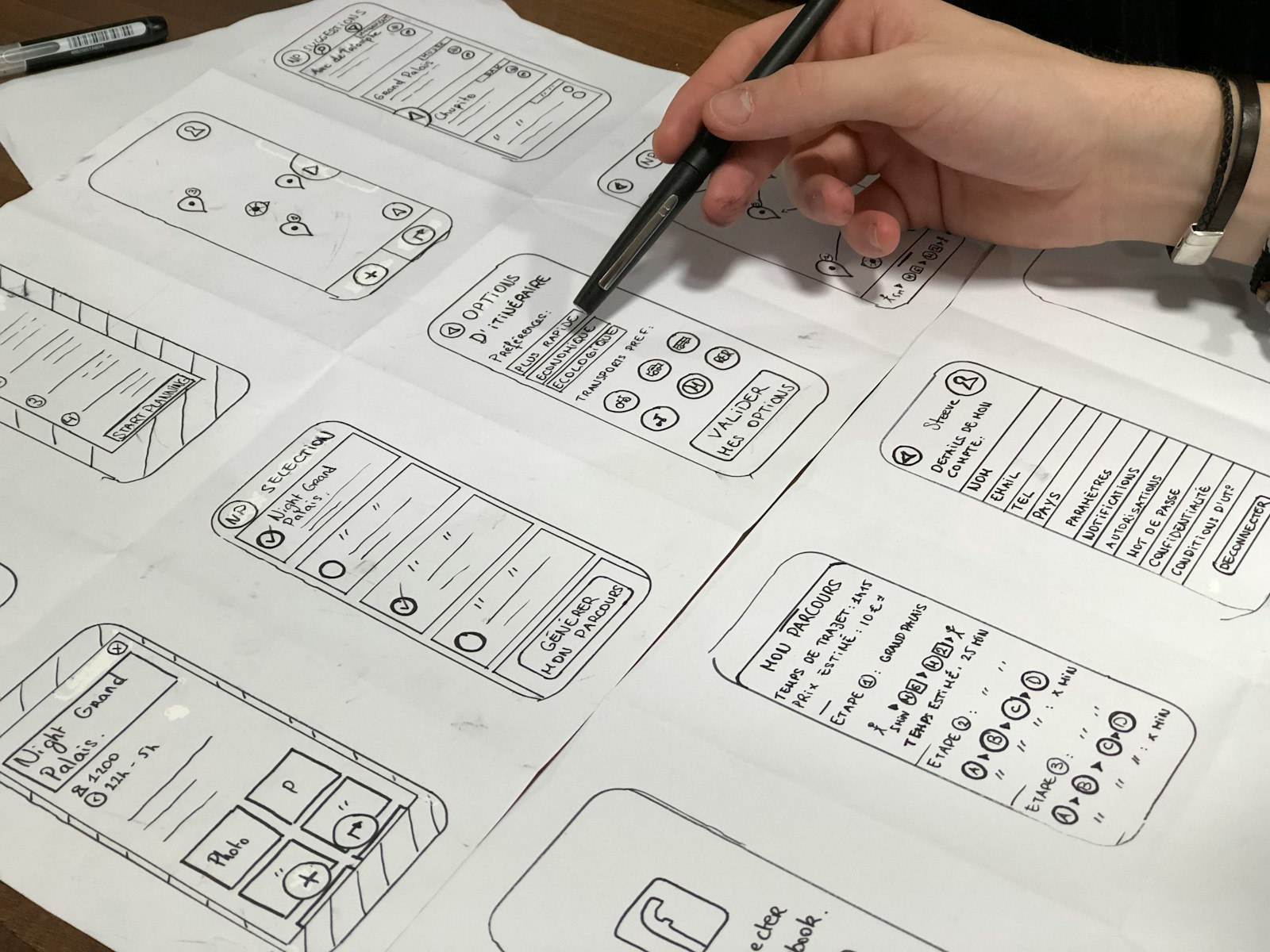
SEO-optimized web development is the difference between a website that looks good and one that also gets found. A client-focused site answers visitors' questions fast; an SEO-focused site helps Google understand and trust it. The best sites do both from day one. This guide explains how we plan and build sites at Savoir Management so they serve people first and rank as a result.
What does SEO-optimized web development mean?
It means building a site's structure, code, speed and content so search engines can crawl and understand every page, while visitors get a fast, clear path to what they need. SEO is planned into the sitemap and code, not added after launch.
Google's SEO Starter Guide frames the goal simply: help search engines understand your content and help users find it. Development choices such as navigation, URL structure, rendering and speed shape both.
Step 1: How do you understand your audience before building?
Start by defining who the site serves, what they expect and what problems it must solve. Those answers decide which pages exist, what each page says and which keywords it targets.
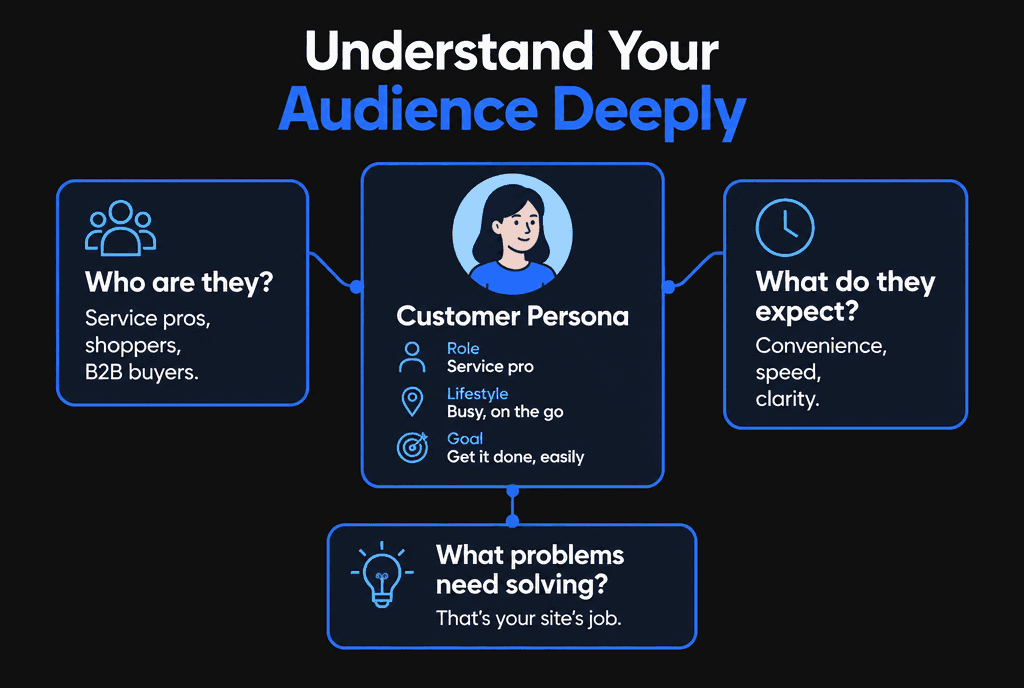
Interview customers, review sales calls and study search queries. Map each audience question to a page or section.
Step 2: How should site structure support SEO?
Use a simple hierarchy: home, a few service or category hubs, and detailed pages beneath them, connected with descriptive internal links. Clear structure helps users navigate and helps Google understand which pages matter most.
Keep important pages within three clicks of the homepage.
Use short, descriptive URLs.
Link between related pages with descriptive anchor text, following Google's link best practices.
Submit an XML sitemap in Search Console.
Step 3: How do you create SEO-optimized content that converts?
Write each page for one primary search intent, answer the main question early, use clear headings and include proof. Google's guidance favors helpful, people-first content written with real experience.
Read Google's guidance on creating helpful, reliable, people-first content. Target what clients search for when they are ready to buy, such as "marketing strategy for small law firms," rather than broad vanity terms.

Step 4: Which technical foundations matter most?
Fast loading, mobile-first layouts, HTTPS, crawlable rendering, unique titles and meta descriptions, and structured data are the technical foundations that matter most.
Mobile first: Google uses the mobile version of content for indexing and ranking, per its mobile-first indexing guidance.
Speed: Core Web Vitals targets are LCP within 2.5 seconds, INP of 200 milliseconds or less and CLS of 0.1 or less.
Titles and descriptions: follow Google's guidance on title links and meta descriptions.
Structured data: mark up organization, articles, products, FAQs and local business details where they apply.
Step 5: How do you optimize for conversions and trust?
Make the next step obvious on every page, place proof such as reviews and results near calls to action, and remove distractions. Rankings only pay off if visitors take action.
Nielsen Norman Group found that users often leave web pages within 10 to 20 seconds, but a clear value proposition holds attention much longer. Put the value proposition and primary call to action above the fold.

How does this approach build long-term visibility?
A well-structured, fast, helpful site keeps earning traffic as content grows, because each new page strengthens topic clusters and internal links. Paid ads stop when budgets stop; organic visibility compounds.
Plan content clusters around your services, link every supporting article to its hub page, and update key pages as your services change.

What mistakes undermine SEO in web development?
The costly mistakes are launching without redirects from old URLs, blocking pages from crawling, using script-only navigation, ignoring mobile performance and building pages without a clear search intent.
Read our list of web development mistakes that hurt SEO and the website launch checklist before going live. For speed specifically, see how to improve site speed.
How do you choose a team for SEO-optimized web development?
Choose a developer who plans keywords and structure before design, shows Core Web Vitals results from past projects, handles redirects and analytics, and builds content management you can use yourself.
At Savoir Management, our web development team builds on custom code or WordPress and works with our SEO team from the first wireframe.